
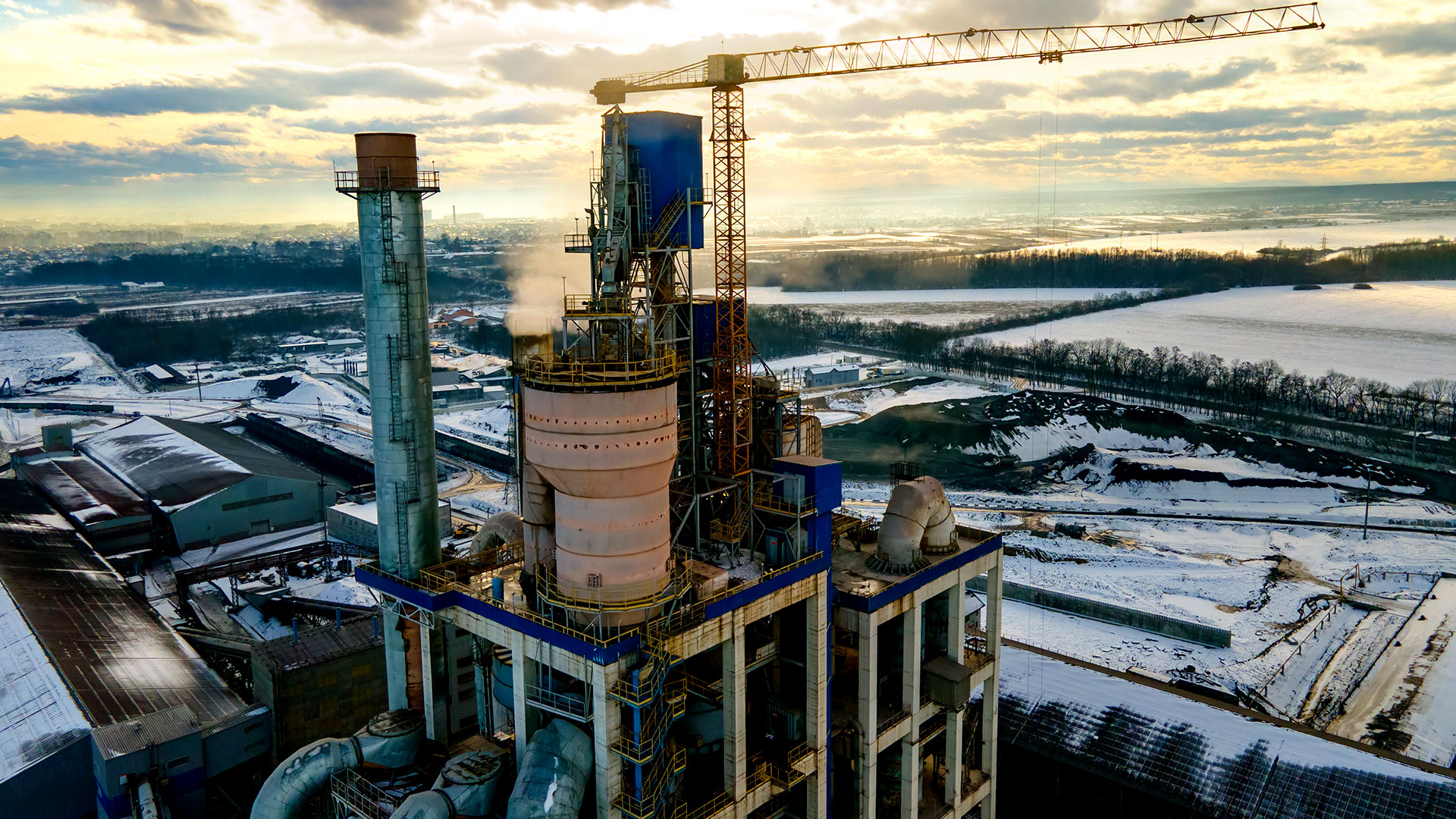
Energy projects are typically developed with a high degree of technical rigor. Engineering standards are well established, equipment is specified in detail, and project teams invest significant effort in planning and design.
Despite this, challenges often emerge during later stages of the project lifecycle.
The Transition to Operation
The transition from construction to operation is a critical phase in any project. During commissioning and startup, systems are brought together and operated under real conditions for the first time.
It is during this phase that discrepancies between design assumptions and actual performance can become apparent. Equipment may respond differently under load, control systems may require adjustment, and coordination between vendors may need to be refined.
These conditions are not uncommon. They are part of working with complex systems in a live environment.
Managing Integration
Large-scale energy projects involve multiple contractors, disciplines, and systems. Managing how these elements come together is a central challenge during execution.
For example, activities that are planned sequentially may need to occur in parallel due to scheduling constraints. This can introduce additional coordination requirements and increase the potential for misalignment between systems.
Where integration is not carefully managed, issues identified during startup can carry forward into operations.
The Role of Execution
Execution encompasses how systems are tested, how issues are identified and resolved, and how coordination is maintained across project teams.
While design defines how a facility is intended to perform, execution determines how it performs in practice. The outcome of this phase can influence operational stability, maintenance requirements, and overall performance.
Execution Reflects Real Project Conditions
One of the challenges in execution is that it introduces variables that are difficult to fully anticipate during design. Site conditions, scheduling pressures, and coordination across multiple teams can all influence how systems are brought into operation.
For example, adjustments made in the field, variations in equipment behavior, or constraints related to timing can all affect how systems are tested and integrated. These factors do not necessarily indicate problems with design, but they do require careful management during execution to ensure that systems perform as intended.
Implications for Project Delivery
In stable conditions, some degree of rework or adjustment during startup can be accommodated. In more constrained environments, there may be less flexibility to address issues after the fact.
This places greater emphasis on how commissioning and startup activities are planned and carried out. Clear system definition, structured testing, and consistent communication can help reduce uncertainty during this phase.
From Design to Performance
Project outcomes are often evaluated based on schedule, cost, and production targets. However, the ability of a facility to operate as intended is shaped during the transition from construction to operation.
While design establishes the framework, execution determines how that framework performs in practice.